
Moon Oracle: Wicca Advanced
Powered by ChatGPT & GPT-5
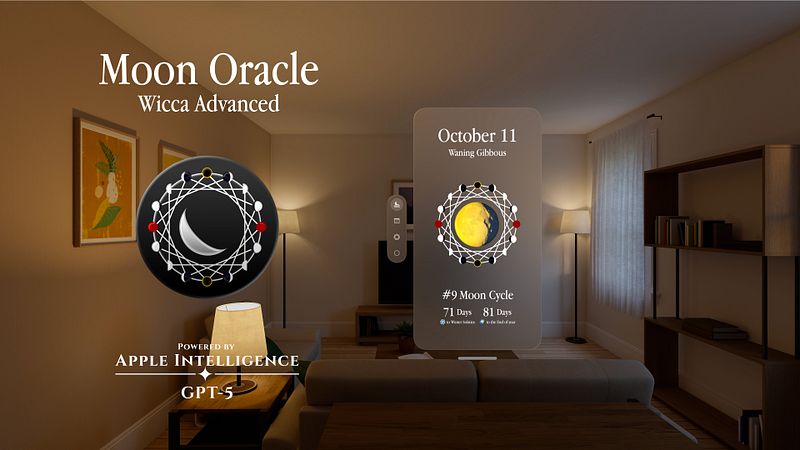
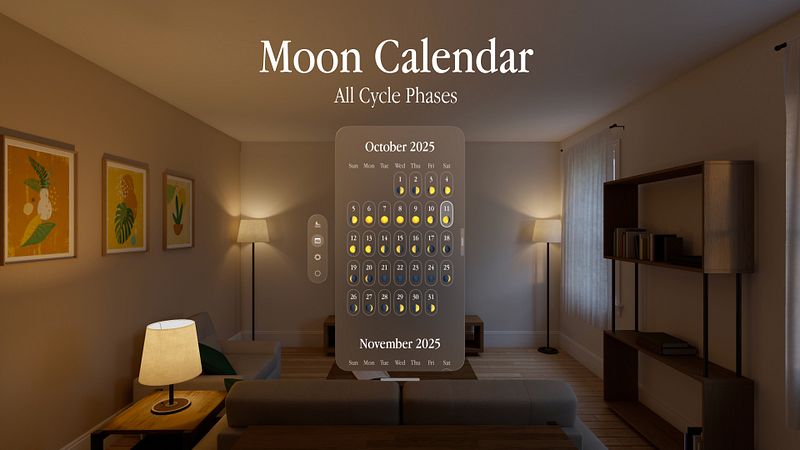
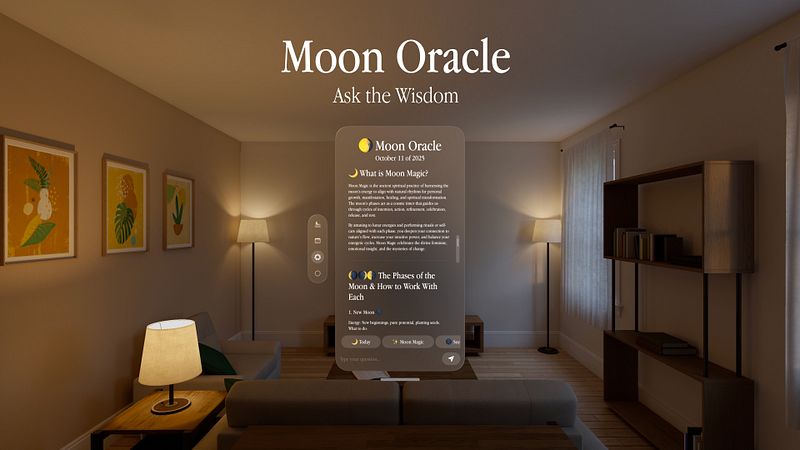
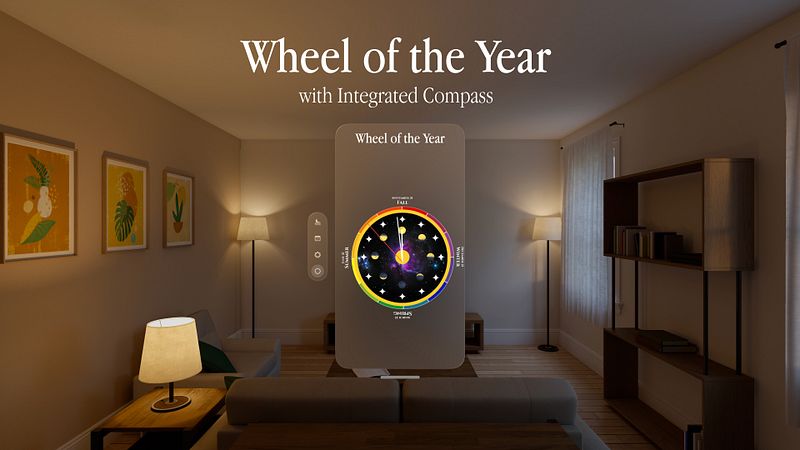
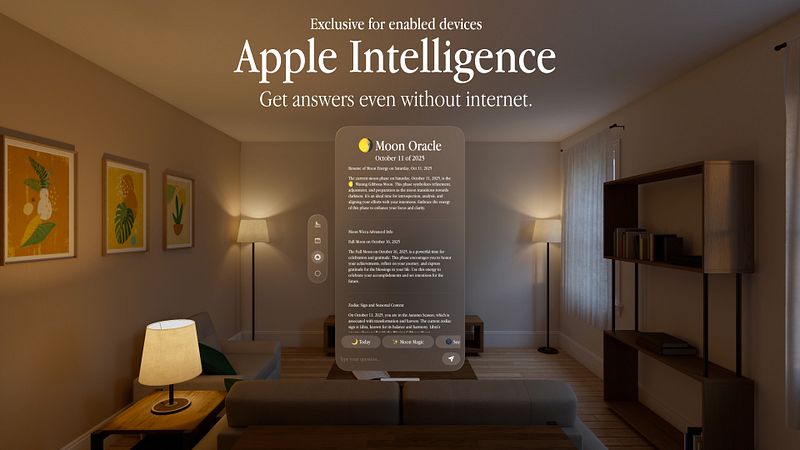
Moon Pase Calendar & Oracle for Wicca Advanced or Starter users who take control of their Lunar Energy. No Ads. No Subscriptions. Powered by GPT-5 & Apple Intelligence.
THE PHASES OF THE MOON
Before we explore the deeper connections to each moon phase, let's take a moment to understand their physical appearance. From the slender curve of the waxing crescent to the illuminated prominence of the full moon, and the intriguing bulge of the waning gibbous, each phase presents a unique visual spectacle in our night sky. The way the moon appears at each stage of its cycle offers a guide to recognizing its different phases.
1. New Moon: The moon is entirely in shadow, and its surface appears dark. It's virtually invisible to the naked eye.
2. Waxing Crescent: A thin, silver crescent begins to appear on the right side of the moon. It's the first visible phase as the moon starts to grow larger.
3. First Quarter: Half of the moon is illuminated, forming a clear right-hand semicircle. This is the halfway point between the new moon and the full moon.
4. Waxing Gibbous: More than half of the moon is illuminated, but it's not yet full. The illuminated part continues to grow, covering the right side of the moon's surface.
5. Full Moon: The entire face of the moon is illuminated, forming a bright, full circle. It's the only time when the moon appears as a complete disc in the sky.
6. Waning Gibbous: The moon starts to shrink, and the illumination decreases on the right side. More than half is still visible, but it's visibly smaller than the full moon.
7. Last Quarter: Half of the moon is illuminated, forming a clear left-hand semicircle. It's the mirror image of the first quarter.
8. Waning Crescent: The moon continues to shrink, leaving a thin silver crescent on the left side. It's the last visible phase before returning to the new moon.
HOW TO LIVE BY THE MOON’S PHASES
In this guide, we'll explore the different phases of the moon and how you can harness their unique...
